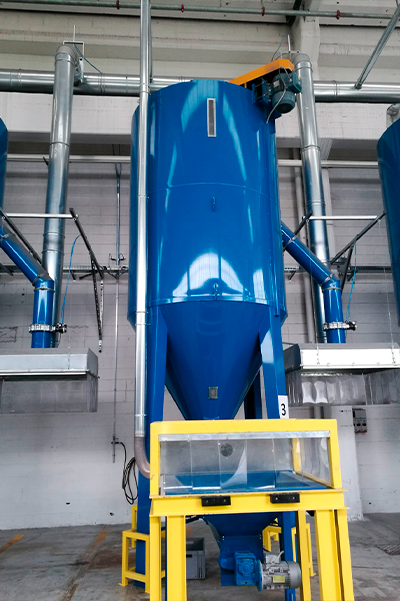
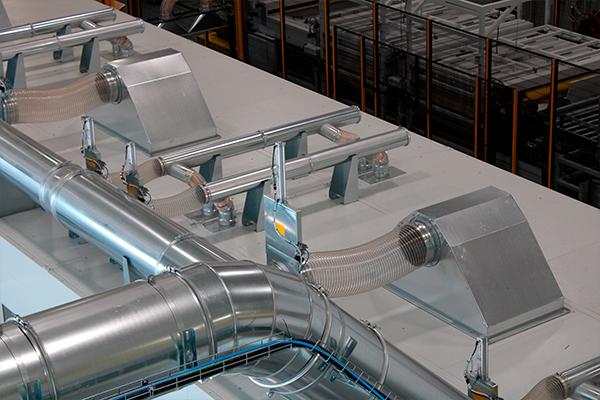
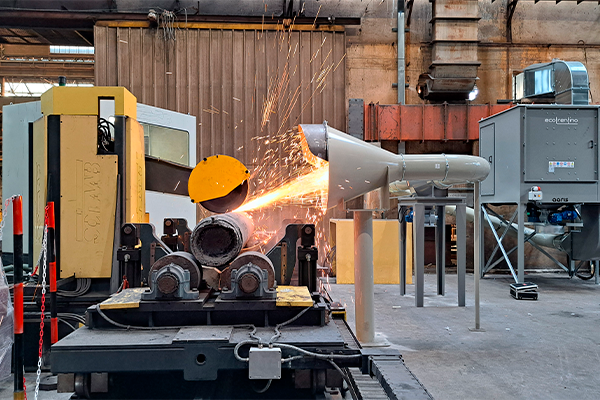
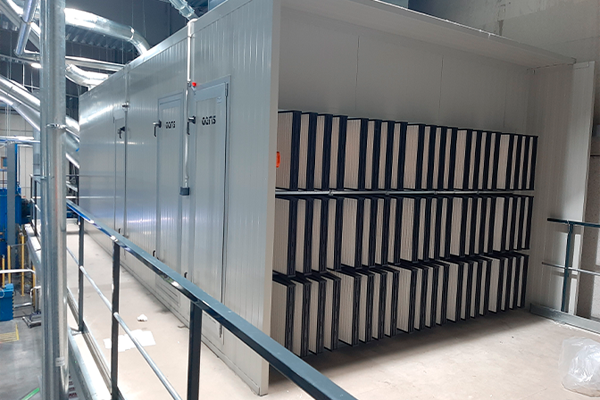
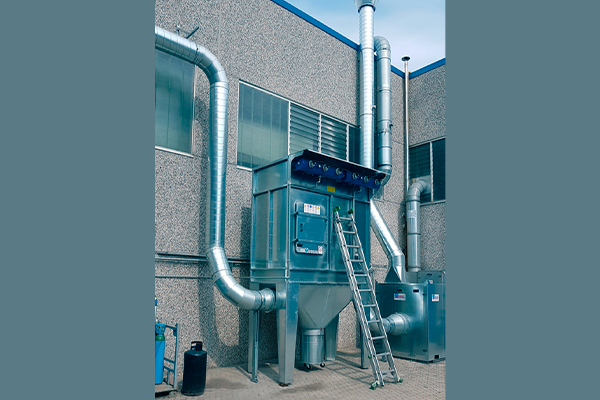
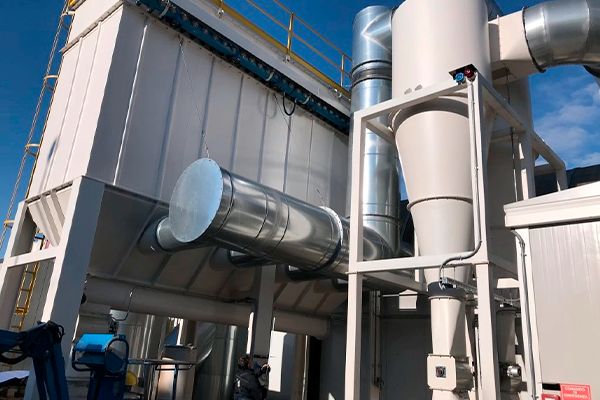
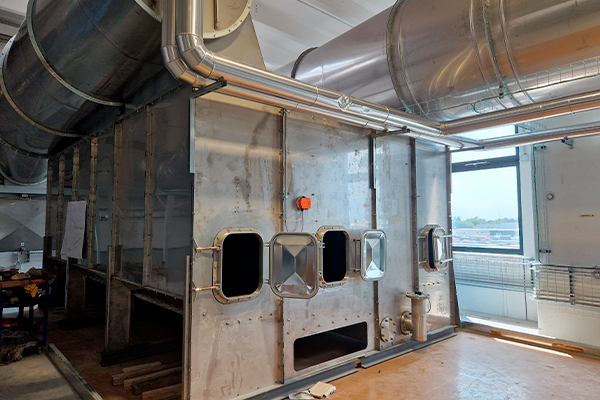
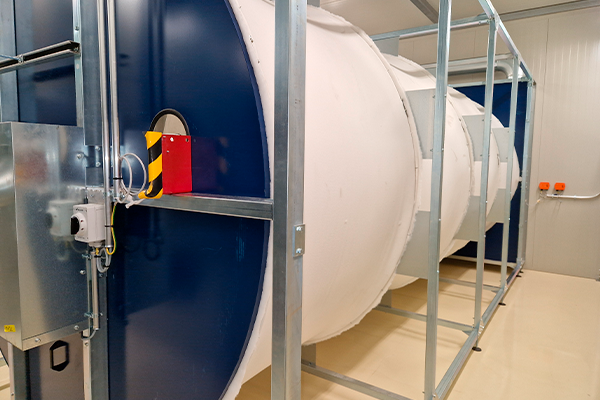
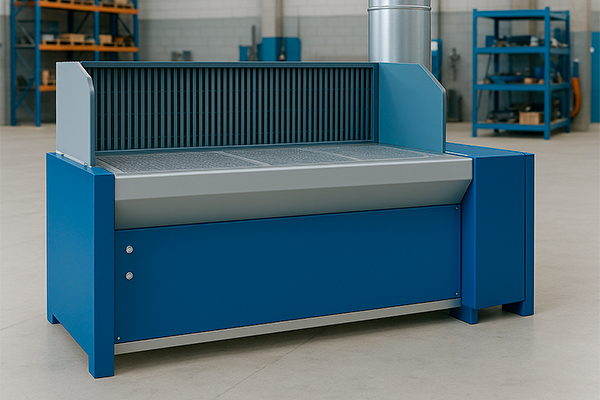
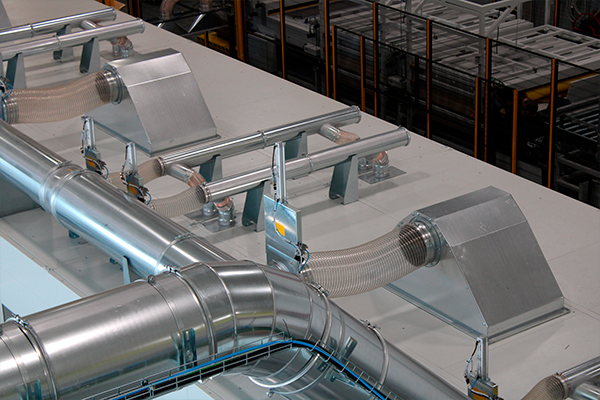
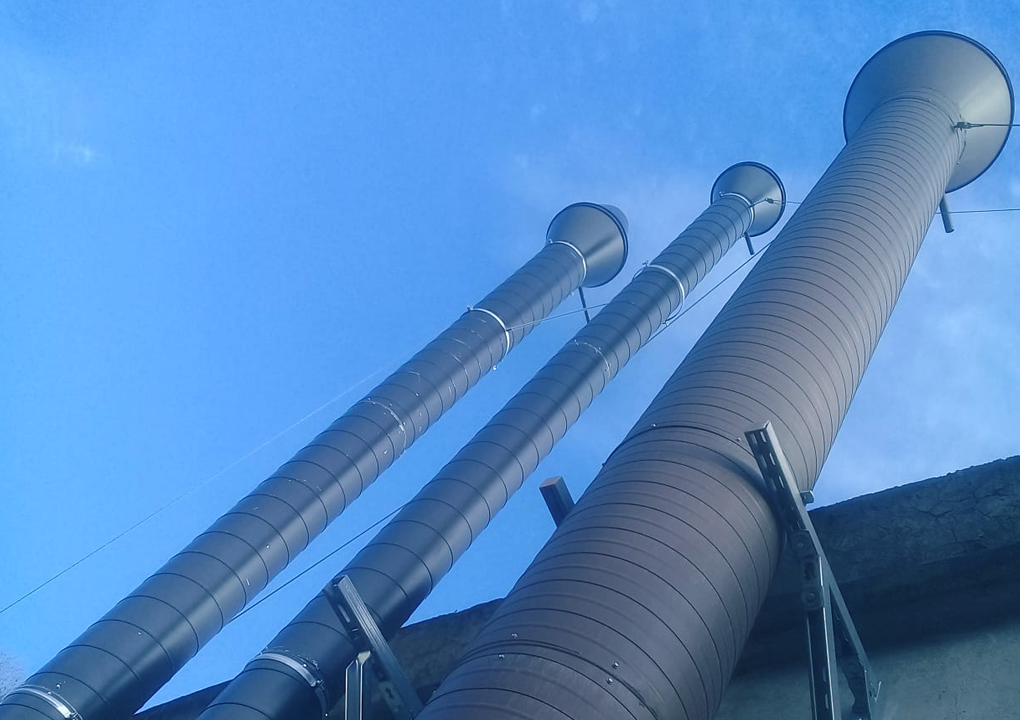
Aeris industrial extraction hoods are designed to capture and convey contaminants generated during industrial processes—such as heat, vapours, fumes, and dust—to dedicated filtration systems. Custom-engineered for each production environment, industrial extraction hoods provide a high level of operator protection and contribute to maintaining optimal indoor air quality. Aeris designs and manufactures industrial extraction hoods tailored to specific application requirements, ensuring maximum safety, high performance, and long-term reliability.
How does an industrial extraction hood work and what is its role within an extraction system?
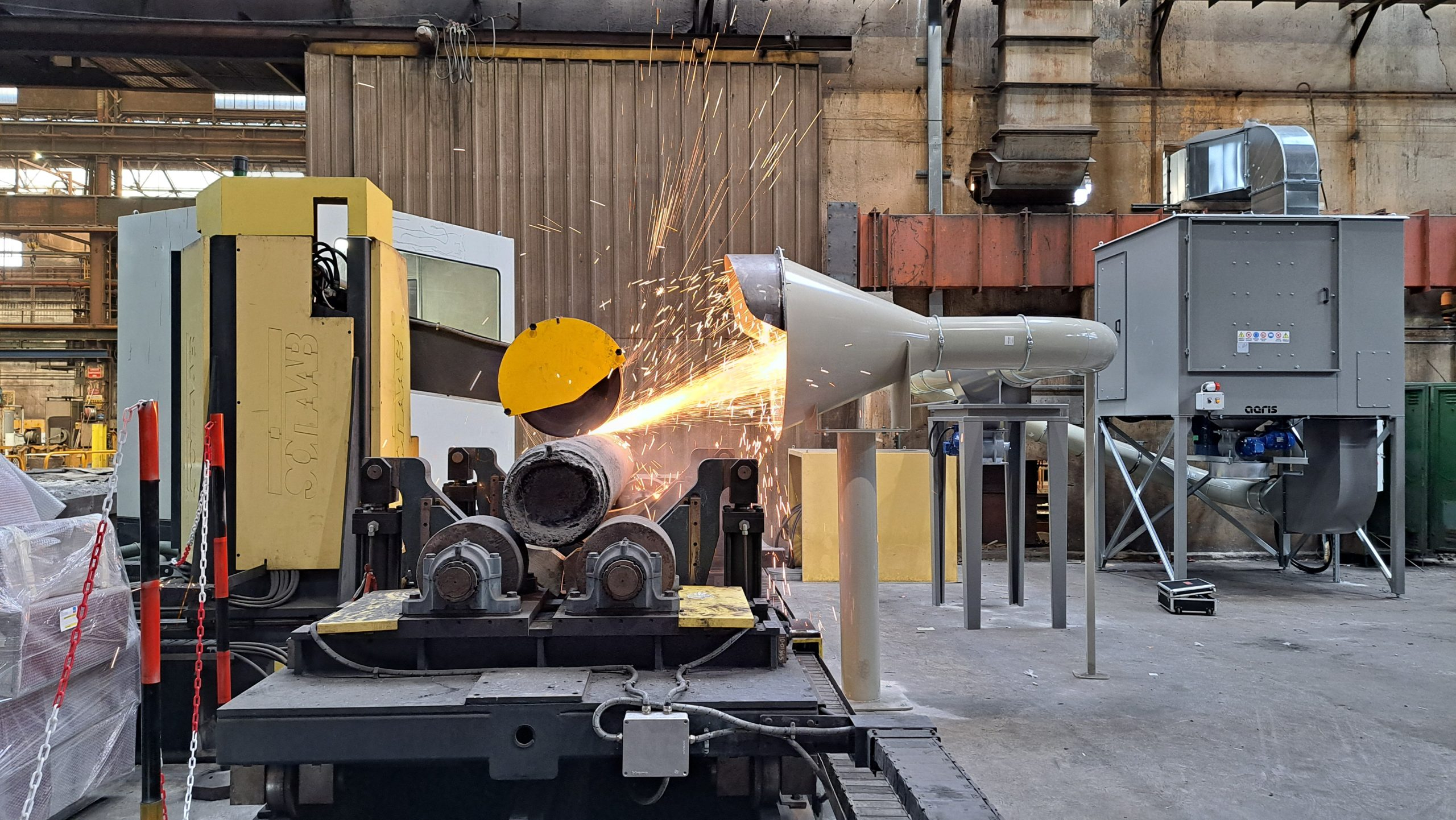
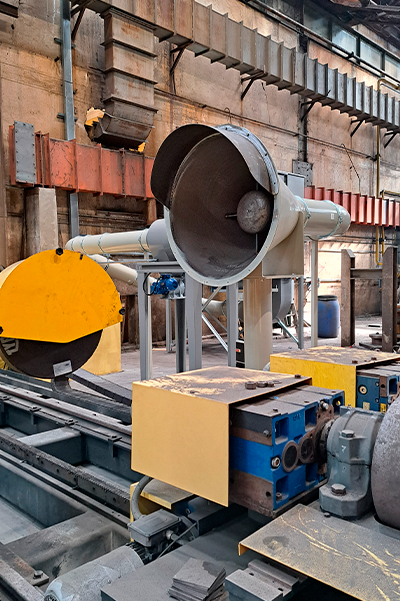
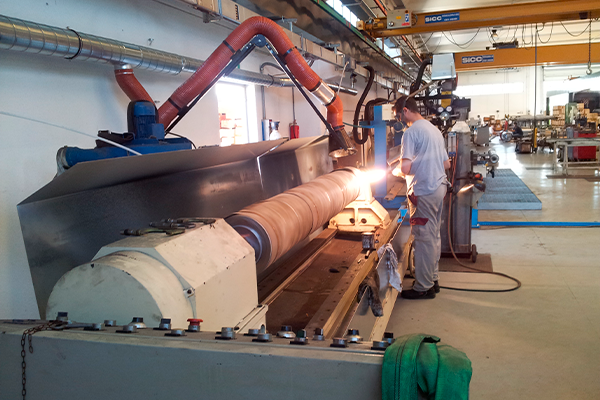
An industrial extraction hood is the air intake device specifically designed to capture and contain contaminants—such as fumes, dust and vapours—directly at the point where they are generated, preventing them from dispersing into the workplace. To provide maximum protection for operators, the hood’s shape and position are custom engineered according to the airflow characteristics and emission velocity of the specific contaminant. By capturing hazardous contaminants directly at the source, the hood directs only the required airflow towards the filtration system. This optimizes the size of the downstream filtration equipment and significantly reduces energy consumption by avoiding the unnecessary extraction of conditioned air from the facility.
Which criteria determine the correct sizing and geometry of an industrial extraction hood?
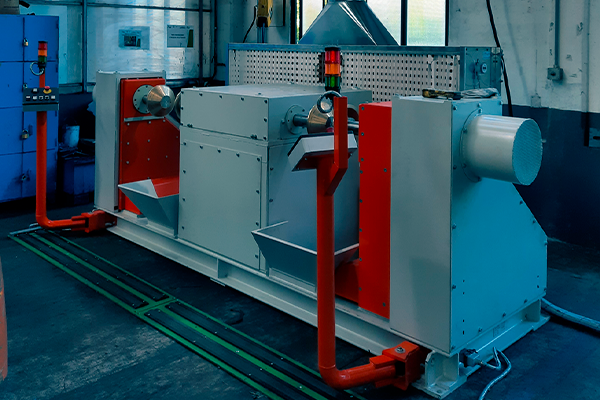
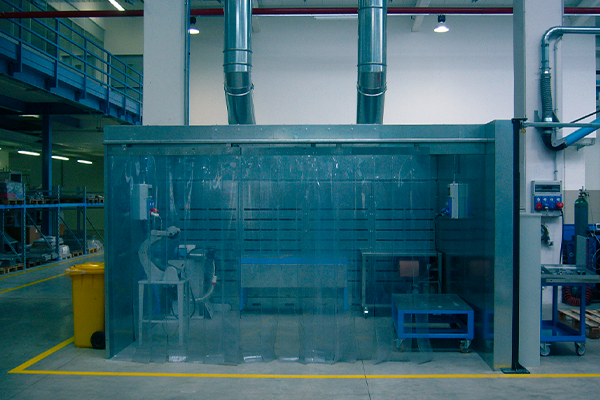
The design of an extraction hood is not based solely on the size of the machine but primarily on the fluid dynamics of the process. The main factors we evaluate include: • The characteristics of the contaminant (density, temperature and emission velocity). • The distance between the emission source and the hood. • The presence of cross-drafts or air currents within the production area. Based on these parameters, we calculate the required capture velocity and design the most appropriate hood geometry—such as induced-flow hoods, receiving hoods, partial enclosures or downdraft tables—to effectively contain contaminants without interfering with the operator’s work.
Which industries and applications require custom-designed extraction hoods?
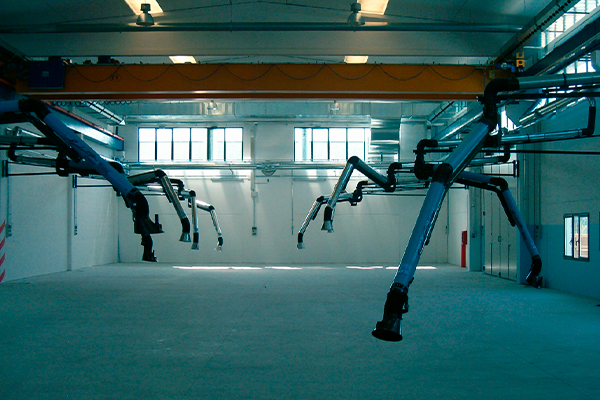
Custom-designed extraction hoods are recommended whenever standard extraction devices—such as articulated extraction arms—cannot provide sufficient coverage or where machinery geometry is particularly complex. Typical applications include: • Welding and heavy grinding operations. • Foundry pouring lines. • Rubber and plastics moulding processes. • Chemical and pharmaceutical laboratories. • Powder transfer stations. • Evaporable liquid handling areas. • Food processing applications involving grease vapours or high thermal loads.
Which materials are used to ensure the chemical resistance and safety of industrial extraction hoods?
The choice of construction materials depends on the chemical characteristics of the contaminants and the specific requirements of the production process. For standard industrial applications, extraction hoods are typically manufactured from galvanized or painted steel. For food processing and pharmaceutical industries, AISI 304 or AISI 316 stainless steel is used to ensure maximum hygiene and ease of cleaning. Where highly corrosive or acidic vapours are present, extraction hoods are manufactured from engineered thermoplastics such as PP, PVC or PVDF. When extracting flammable solvent vapours or combustible dust, metallic hoods are integrated into the plant grounding system to ensure full electrical continuity and prevent electrostatic charge build-up. Alternatively, conductive plastic materials can be used where appropriate.
What routine maintenance is required to maintain extraction hood performance?
Although extraction hoods contain no moving mechanical parts, their efficiency depends on the condition of the entire extraction system. Routine maintenance includes: • Periodic cleaning of internal surfaces to prevent dust deposits or condensate build-up that could reduce airflow or create fire hazards. • Inspection and adjustment of airflow control dampers. • Visual inspection of the connecting ductwork to identify any leaks or damage. A noticeable reduction in extraction performance at the hood is often the first indication of a clogged downstream filter or a loss of pressure caused by the main extraction fan.