AERIS featured in Techtextiles & Nonwovens
We are proud to share that Techtextiles & Nonwovens has dedicated an editorial feature to AERIS and our vision of air as a true process
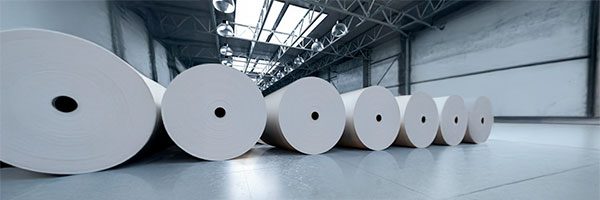
In the paper converting industry, cutting, printing, folding, and gluing operations generate large amounts of cellulose dust, fine fibers, and micro-paper residues that easily disperse into the air…
Production processes and treatment operations in the chemical and pharmaceutical industries often generate emissions of reactive dust, organic solvents, and VOCs (Volatile Organic Compounds), posing serious risks to worker health, workplace safety, and product quality…
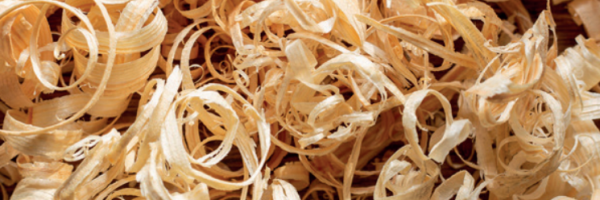
Woodworking processes such as cutting, sanding, and milling generate significant amounts of fine dust and chips, which can compromise workplace air quality and increase the risk of fires or explosions in ATEX environments…
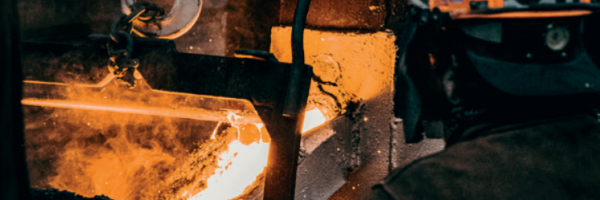
Metal melting and processing operations generate high-temperature fumes, metal vapours, and fine particulate matter—often containing harmful substances. These pollutants degrade workplace air quality, pose serious health risks to operators, and lead to damaging buildup on equipment and surfaces…
Processes in the rubber and plastics industry—such as extrusion, moulding, cutting, and welding—generate hot fumes, fine dust, VOCs (Volatile Organic Compounds), and oily mists…
Metalworking processes such as cutting, welding, grinding, sanding, and machining generate high levels of metal fumes, fine dust, and oily mists. These pollutants pose serious health risks to operators and degrade workplace air quality…
In the precision and general mechanical engineering industry, metal and alloy processing operations often involve the use of machine tools that generate fine dust, process fumes, metal chips, and oil mist…
In the milling sector, air quality control is essential to ensure hygiene, safety, and uninterrupted production. Poor management of humidity or ambient pressure can allow the entry of external dust, pests, and contaminants, risking food safety and the quality of processed products…
In the marine sector, boat building, processing, and maintenance activities involve the use of resins, solvents, paints, composite materials, and metals. These processes generate fumes, fine dust, VOCs (Volatile Organic Compounds), and toxic vapours…
In the Oil & Gas industry, facilities are often located in extreme or remote environments where precise environmental control is critical to ensuring continuous operation, workplace safety, and operator well-being…
In the pet food industry, mixing, extrusion, drying, and packaging processes generate a complex combination of organic dust, volatile organic compounds (VOCs), strong odours, and process vapours…
In the textile industry, precise control of thermo-hygrometric conditions and air quality is essential to ensure production process stability, product quality, machinery efficiency, and operator well-being…
In the nonwoven fabric sector, air management is a strategic element to ensure product quality, production continuity, and safety…
The industrial painting sector faces numerous challenges related to both the quality of the production process and the management of safety and environmental compliance…
Many industrial sectors, often quite different from each other, share the critical need for efficient air extraction and treatment systems…

We are proud to share that Techtextiles & Nonwovens has dedicated an editorial feature to AERIS and our vision of air as a true process

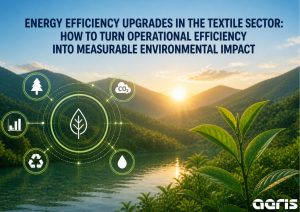
Energy efficiency and emission reduction: concrete results from real installations Over the past five years, AERIS has analysed the environmental impact of a selected sample

TECHNICAL TEXTILES: WHAT YOU DON’T SEE OFTEN MAKES THE DIFFERENCE In the world of technical textiles, attention is often focused on the final product: advanced