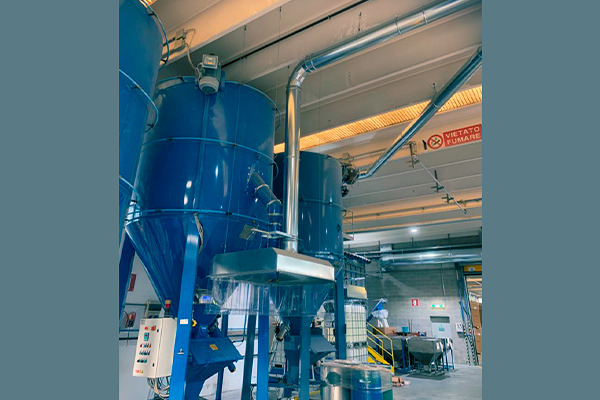
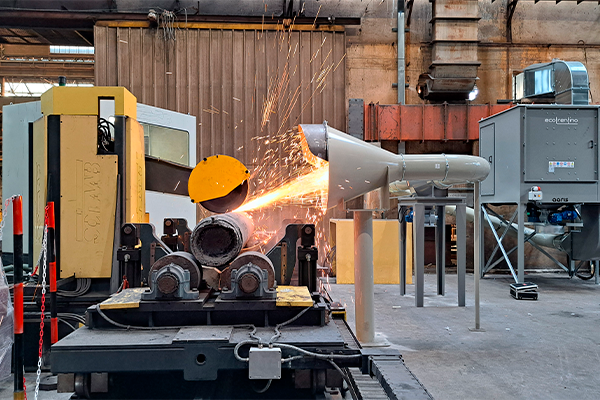
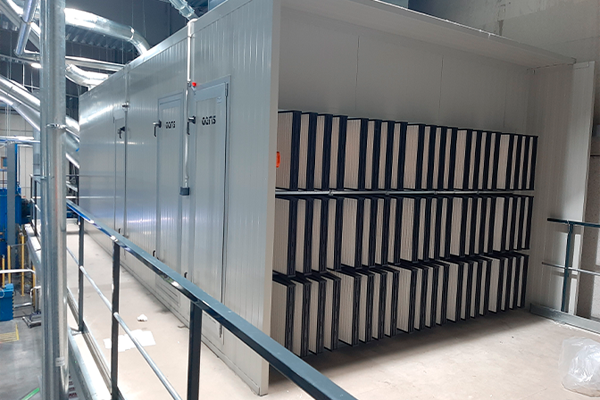
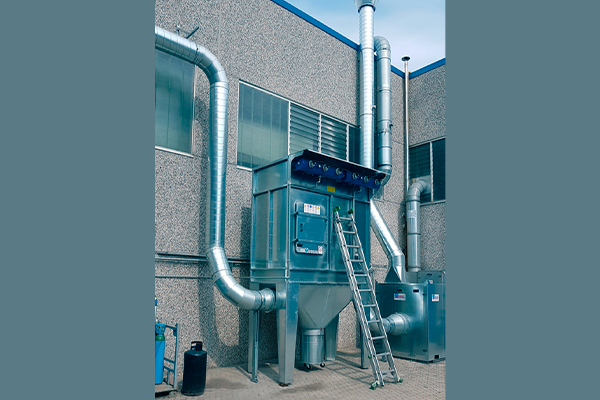
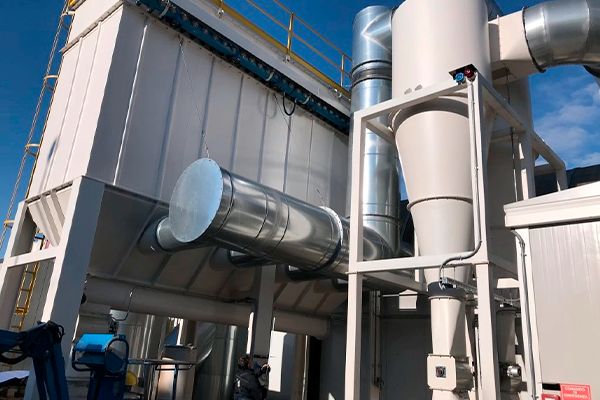
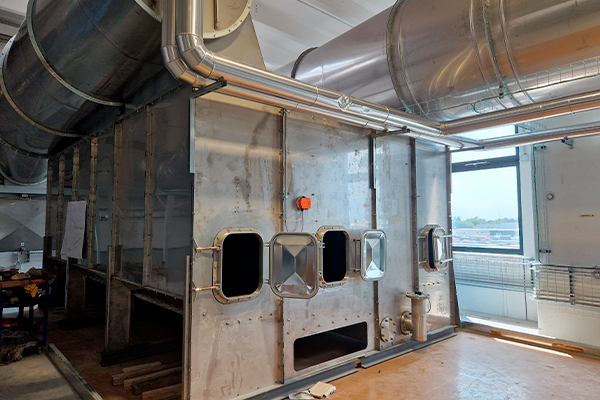
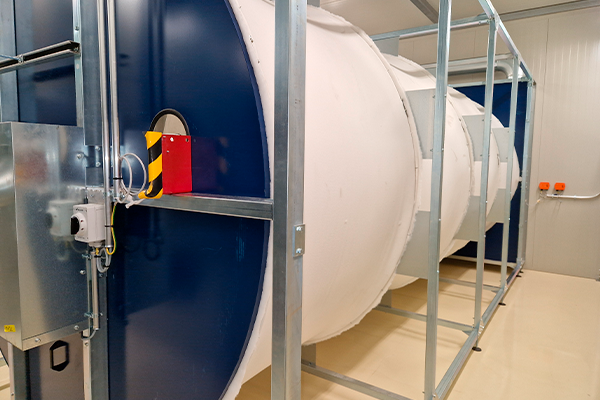
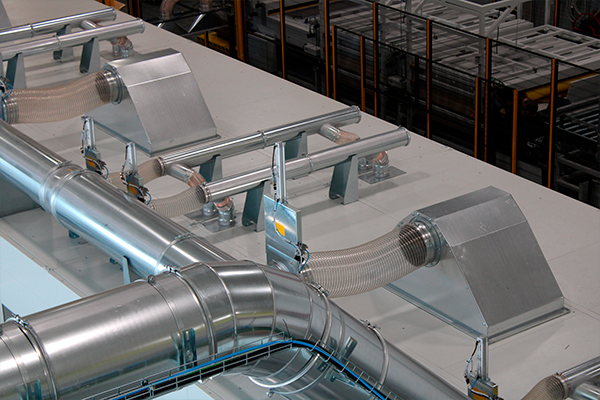
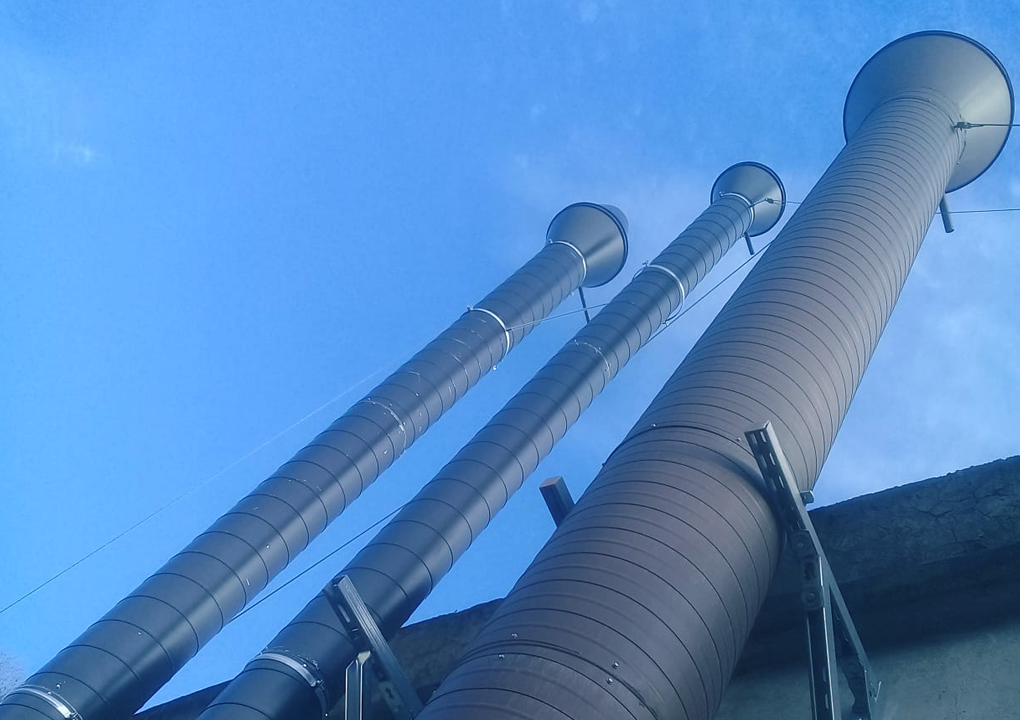
Industrial extraction systems are the most efficient solution for controlling contaminants generated during production processes. By capturing contaminants directly at the source, they ensure high air quality within production environments, protect operator health, enhance workplace safety, and ensure compliance with applicable regulations. Aeris designs and manufactures dedicated solutions for the extraction of dust, fumes, fibres, oil mist, and VOCs, including applications in potentially explosive environments (ATEX), ensuring maximum safety, high performance, and long-term reliability.
TYPES AND SOLUTIONS FOR INDUSTRIAL EXTRACTION SYSTEMS
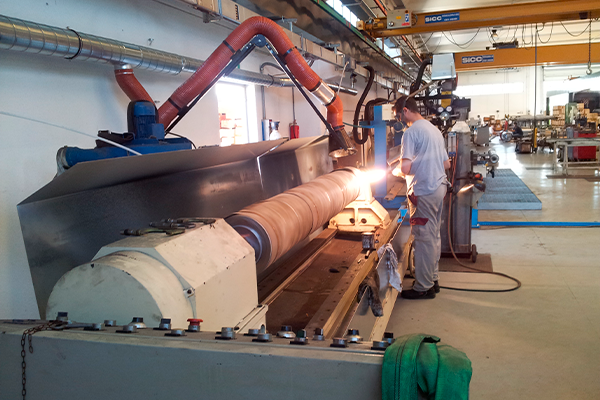
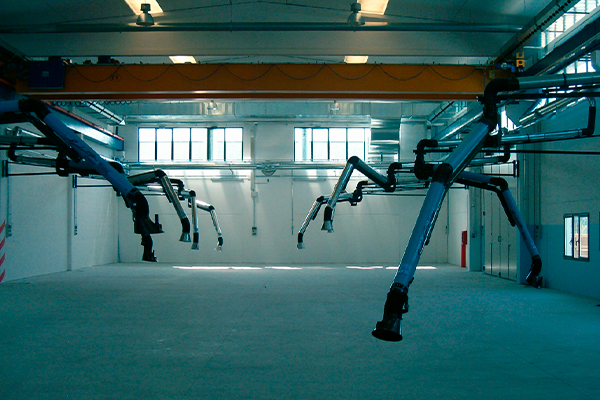
Extraction arms: articulated and adjustable, ideal for flexible and targeted source capture;
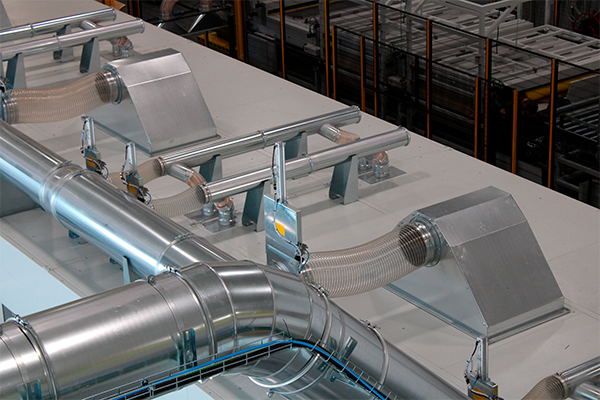
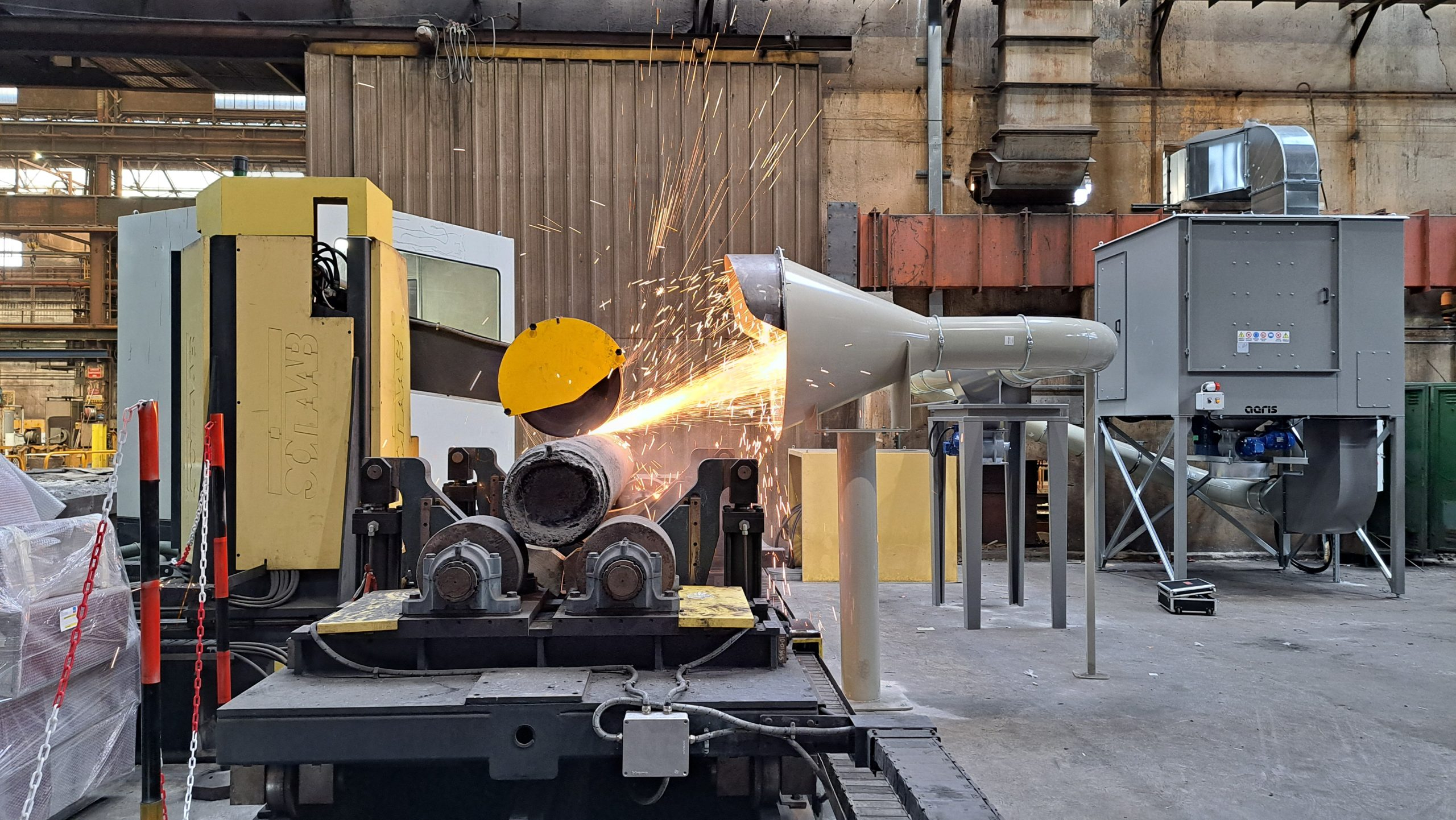
Industrial extraction hoods: designed to cover larger areas and convey contaminated air to filtration systems;
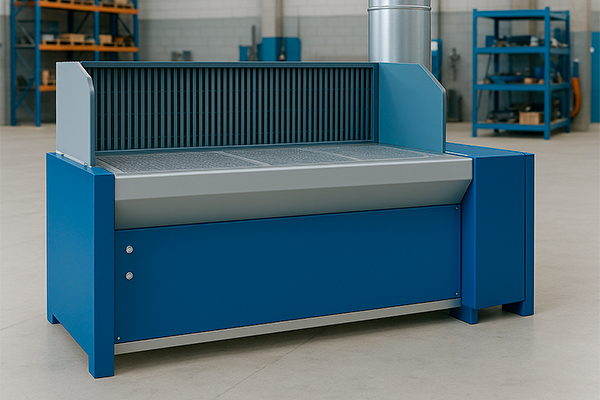
Downdraft tables: combine a work surface with integrated extraction, ideal for welding, sanding, grinding, and finishing operations;
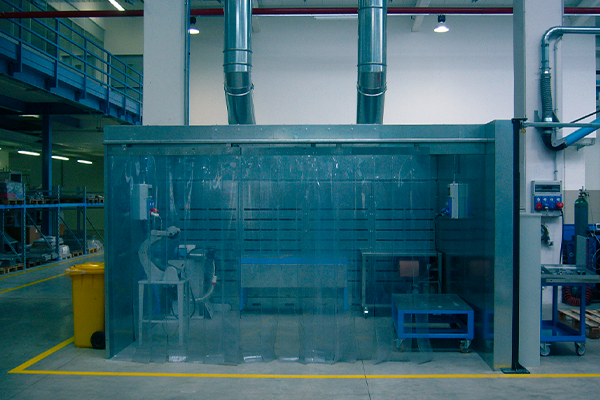
Extraction walls: suitable for painting and surface treatment processes, providing effective frontal capture of emissions; The extracted air is conveyed to dedicated filtration systems (cartridge filters, bag filters, multi-stage systems, or activated carbon filters), which remove dust, fumes, fibres, oil mist, and VOCs before controlled discharge or recirculation in compliance with applicable regulation.
ADVANTAGES OF INDUSTRIAL EXTRACTION SYSTEMS
Health protection: significant reduction in operator exposure to hazardous substances;
Energy efficiency: targeted extraction systems minimise the volume of air to be treated, reducing energy consumption;
Versatility: modular and fully customisable solutions for a wide range of industrial applications;
Easy maintenance: automated systems and simplified access to filtration components;
Regulatory compliance: full compliance with occupational safety, industrial hygiene, and air emission regulations, including ATEX applications.
OUR PROJECTS
Aeris is the ideal partner for companies seeking efficiency, quality, safety, and innovation.
Request a free, personalised technical evaluation to identify the most suitable filtration solution for your application.
What is local exhaust ventilation (LEV) and what is its role in system design?
Local exhaust ventilation (LEV) consists of capturing and containing contaminants directly at the point where they are generated, before they can disperse into the workplace. This approach is achieved by integrating downdraft tables, extraction walls or custom-engineered extraction hoods, designed according to the specific airflow characteristics and contaminant emission velocity. Capturing contaminants at the source provides the highest level of protection for operators by preventing hazardous emissions from spreading throughout the working environment. In addition, concentrating extraction only where contaminants are generated allows the system to handle precisely the required airflow. This optimizes the size of the downstream filtration system and significantly reduces energy consumption by avoiding the unnecessary extraction of conditioned air from the facility.
What are the main stages involved in designing an industrial dust extraction system?
A properly engineered extraction system is developed through three fundamental stages: • Contaminant and Process Layout Analysis – Evaluation of the chemical and physical characteristics of the contaminant (dust, fumes, VOCs, fibres or oil mist) together with the identification of emission sources throughout the production process. • Airflow and Fluid Dynamics Design – Calculation of the capture velocities required to prevent contaminant dispersion and design of the ductwork layout to avoid internal dust accumulation. • Selection of the Filtration System – Matching the extraction system with the most suitable filtration technology (cartridge filters, bag filters, activated carbon filters or wet scrubbers) to ensure effective air purification before discharge into the atmosphere.
How does an industrial dust extraction system improve energy efficiency?
A modern extraction system does much more than simply clean the air—it also optimizes operating costs. Aeris designs systems that reduce overall energy consumption by using high-efficiency fans controlled by variable frequency drives (VFDs), allowing fan performance to automatically adjust according to the machines actually in operation. Where process conditions allow, air balancing and heat recovery systems can also be integrated to recover thermal energy and prevent unnecessary heat loss or cooling loss from the building, significantly reducing heating and air conditioning costs.
When is an extraction system required to comply with the ATEX Directive?
Design and certification in accordance with the ATEX Directive are mandatory whenever the production process generates combustible dust or explosive gas and vapour mixtures—for example during the processing of aluminium, carbon, wood, plastics or solvent vapours. In these applications, the entire extraction system—from the capture hoods and ductwork to the filter and fan—is specifically designed using ATEX-compliant components, including: • Spark-resistant fans. • Continuously grounded ductwork and filtration equipment to prevent electrostatic charge build-up. • Explosion isolation and protection systems designed to safeguard both personnel and plant infrastructure.
Which regulations must an industrial dust extraction system comply with?
Our systems are designed to comply with three key regulatory requirements: • Occupational Health and Safety Regulations – Ensuring that contaminant concentrations around operator workstations remain consistently below the applicable TLVs (Threshold Limit Values). • Environmental Protection and Emission Regulations – Ensuring that emissions discharged through the exhaust stack comply with the legally permitted atmospheric emission limits. • Machinery Safety and Technical Standards – Including the Machinery Directive, applicable EN/ISO standards and the ATEX Directive, ensuring the long-term mechanical and electrical reliability of the entire installation.