Airborne fibres represent a critical issue, particularly in the textile and nonwoven industries, but are also present in other sectors where, if not properly captured, they can impair equipment performance, disrupt production processes, and create unhealthy working environments.
The behaviour of airborne fibres varies depending on their density, length, and electrostatic properties, requiring dedicated technical solutions for each specific application. The most affected sectors include textile, nonwoven, padding and insulation materials, industrial filtration, paper, hygiene products, automotive, and medical industries.
AGGIUNGI TESTO
KEY RISKS ASSOCIATED WITH AIRBORNE FIBRES
Respiratory issues caused by inhalation of fine fibres;
Risk of production downtime in specific process conditions;
Interference with production processes, including blockages and reduced product quality;
Unhealthy working environments and potential hygiene-related risks;
Reduced service life of equipment due to fibre accumulation and clogging.
AGGIUNGI TESTO
SOLUZIONI CONSIGLIATE
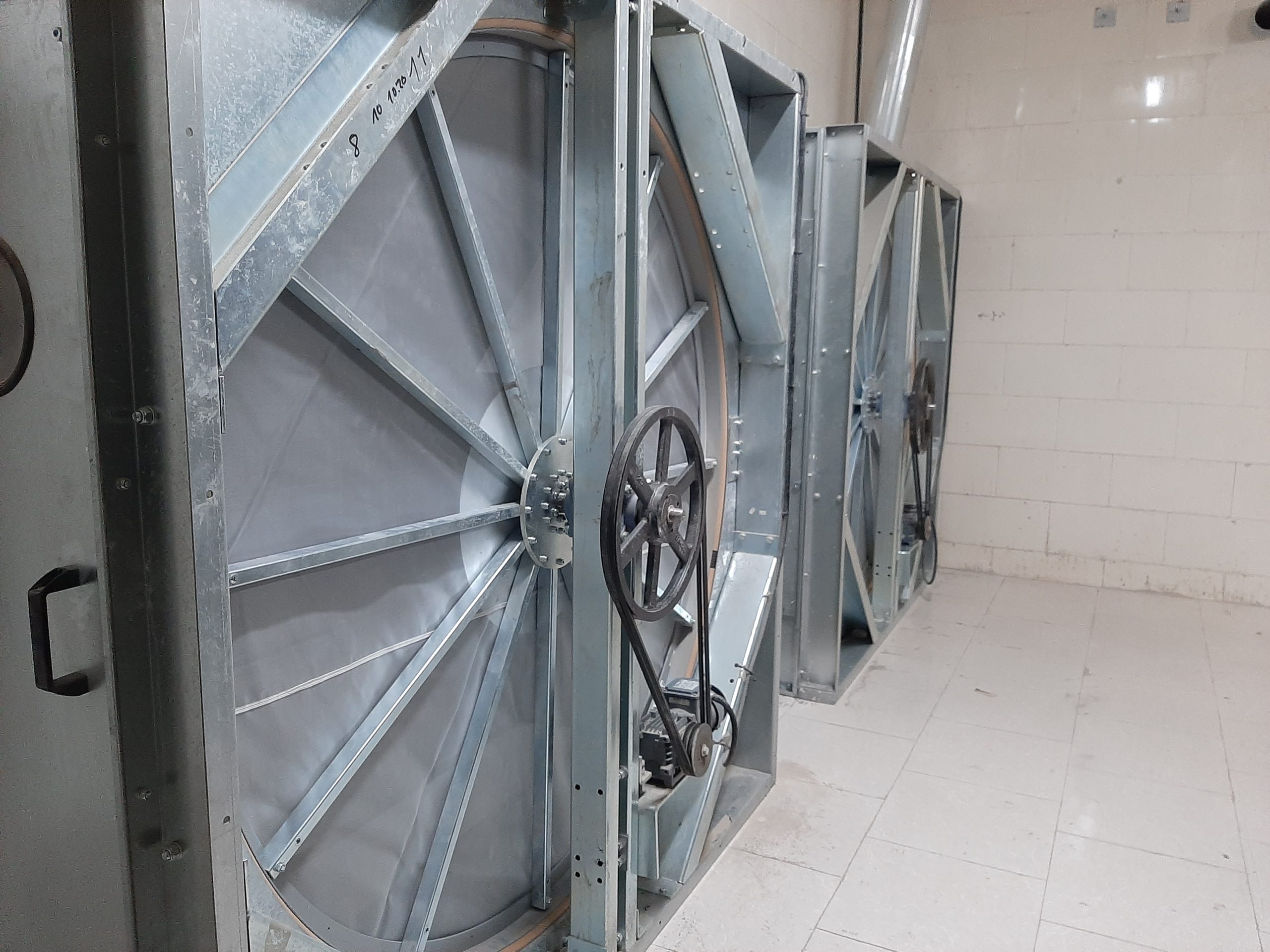
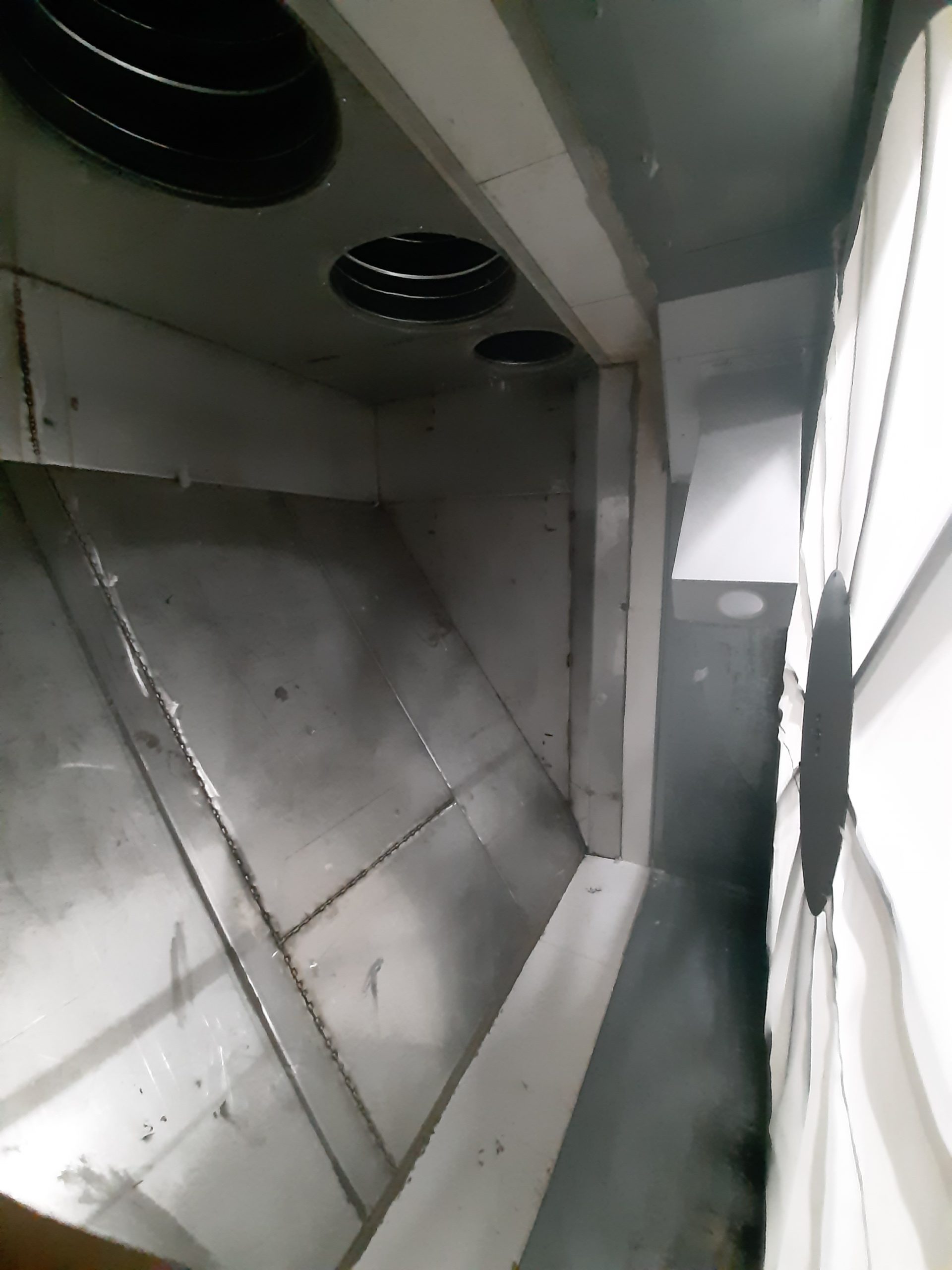
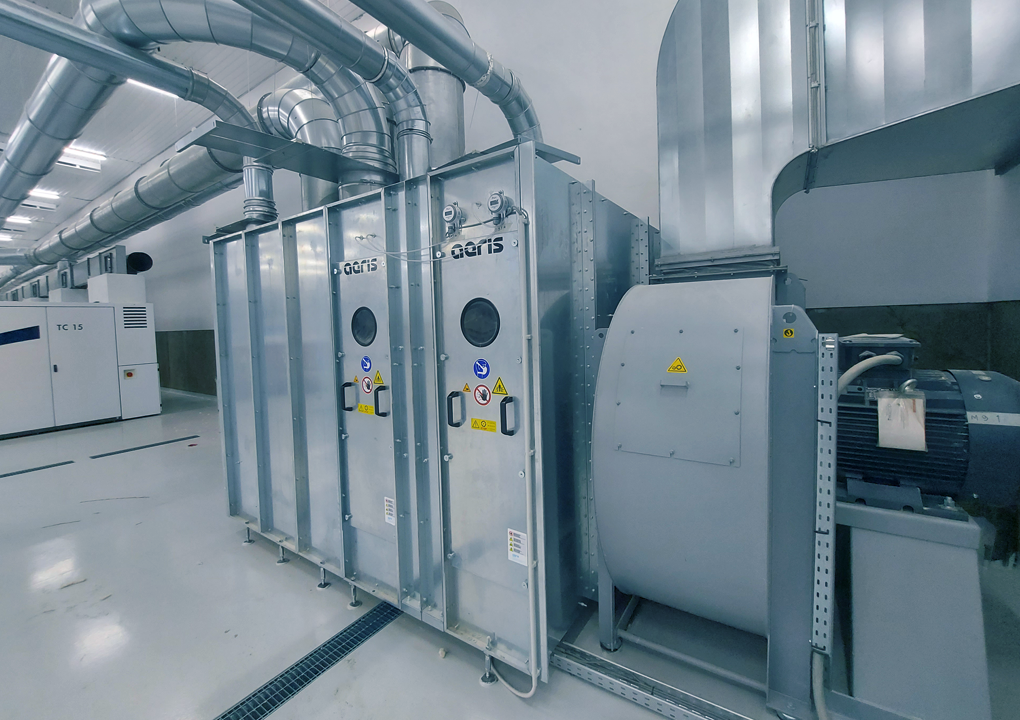
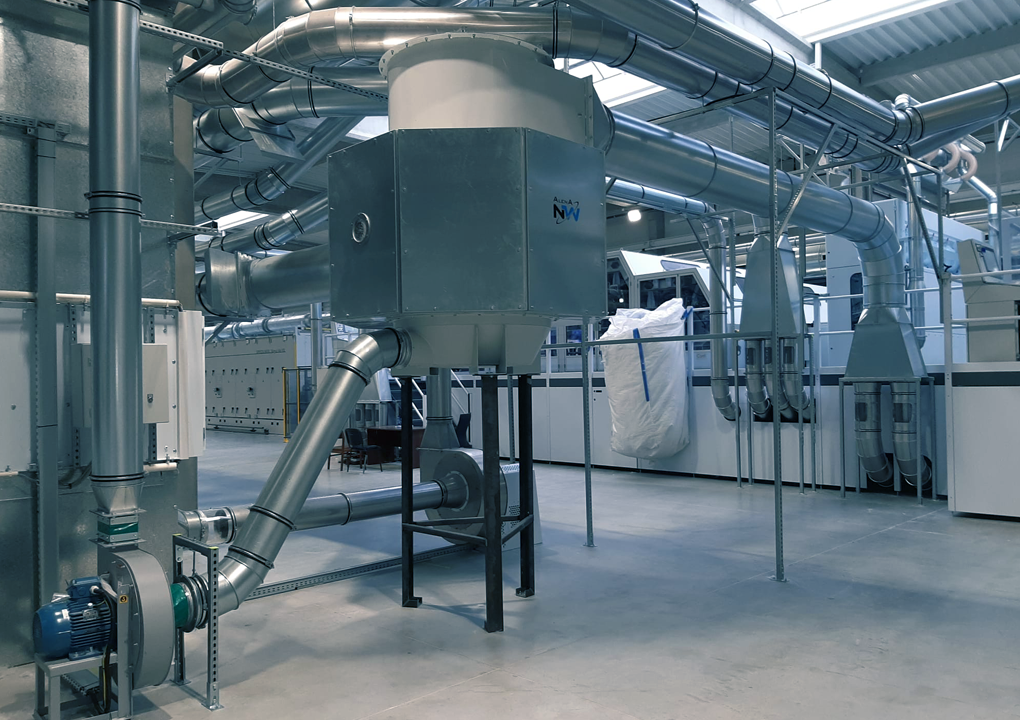
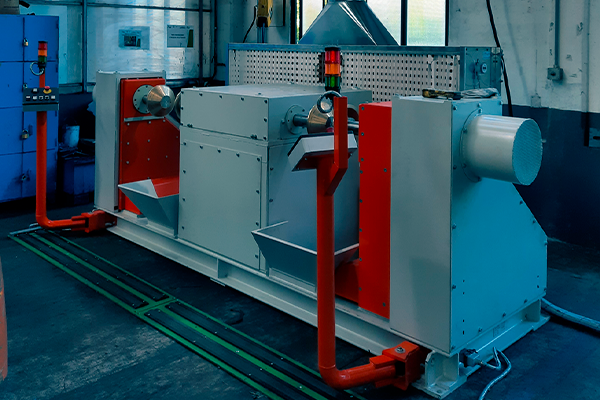
Separation and capture using dedicated systems, including disc prefilters, inertial separators, and fibre compactors.
OUR PROJECTS
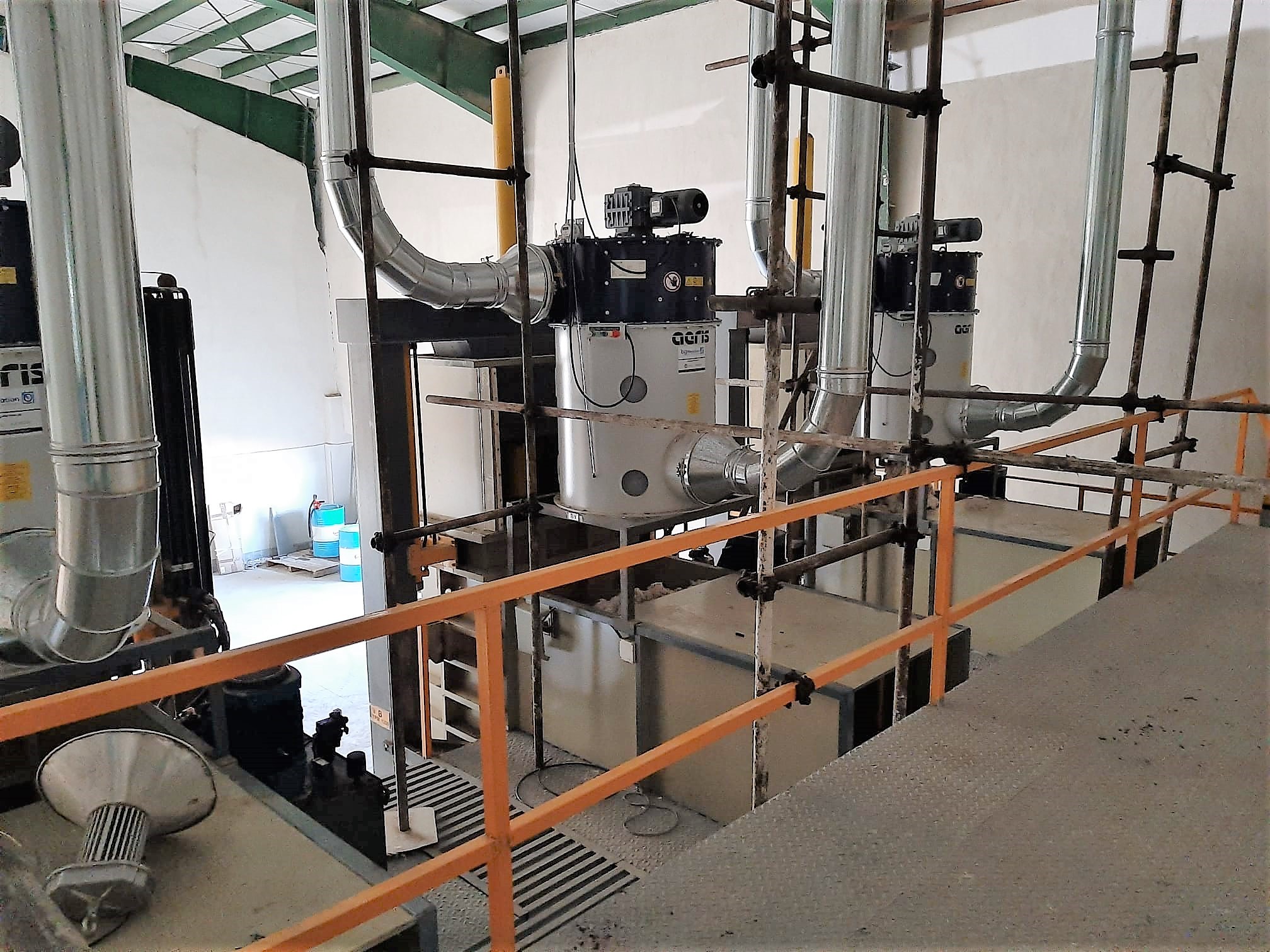
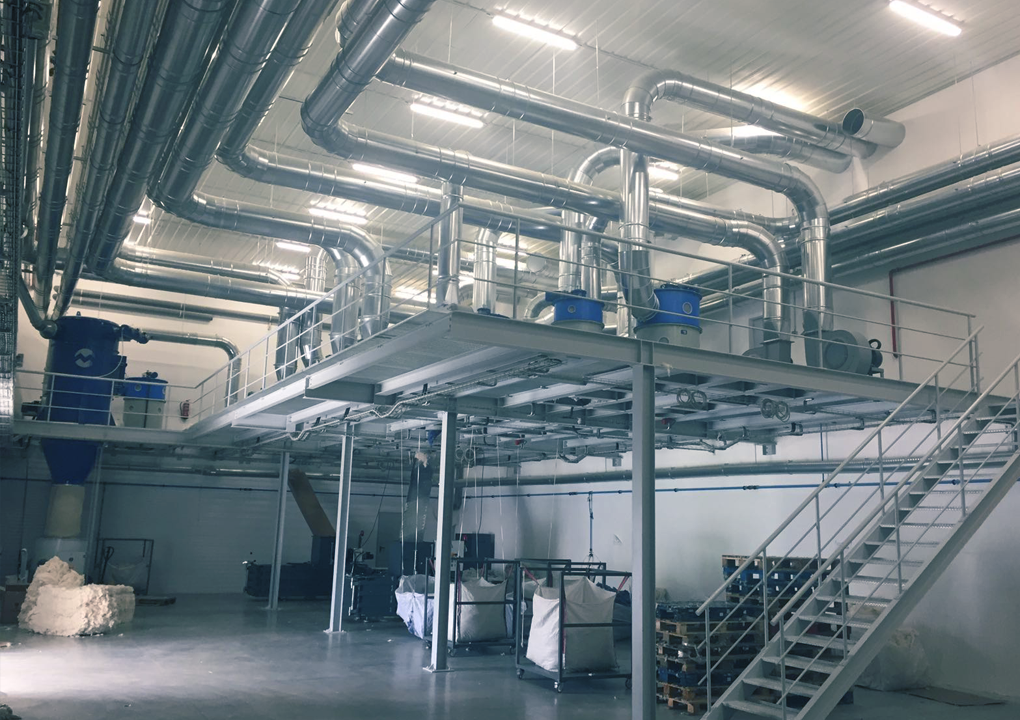
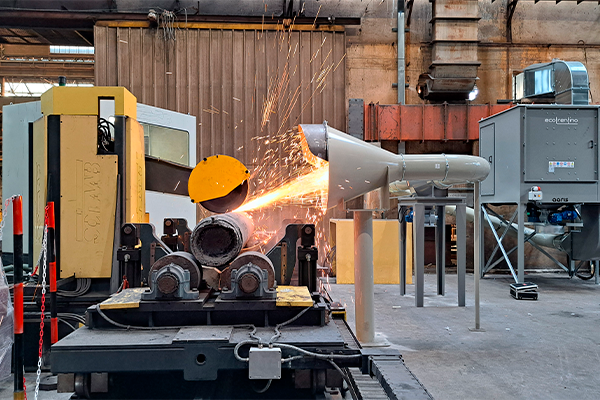
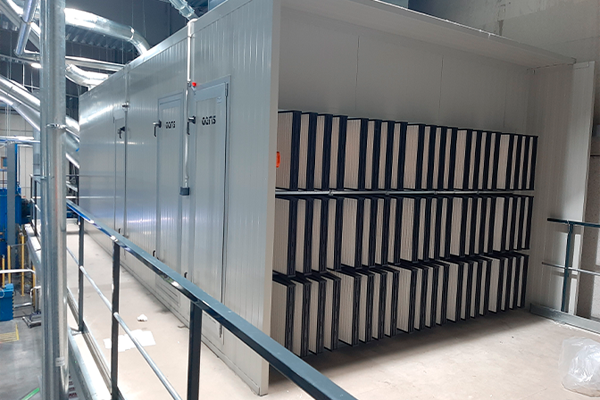
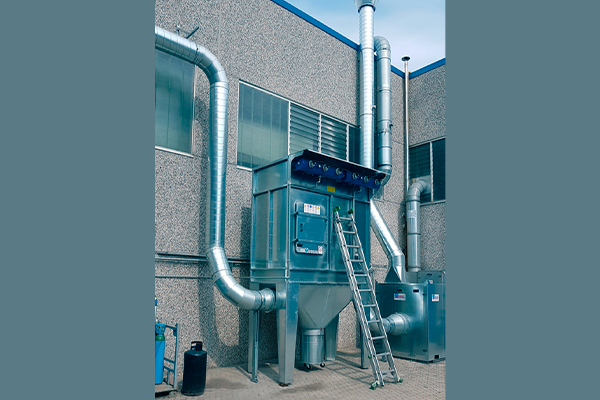
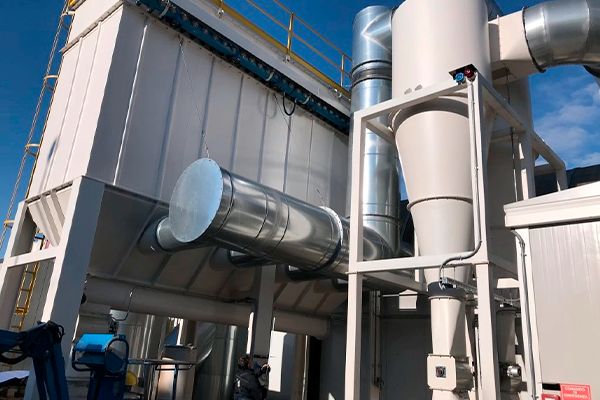
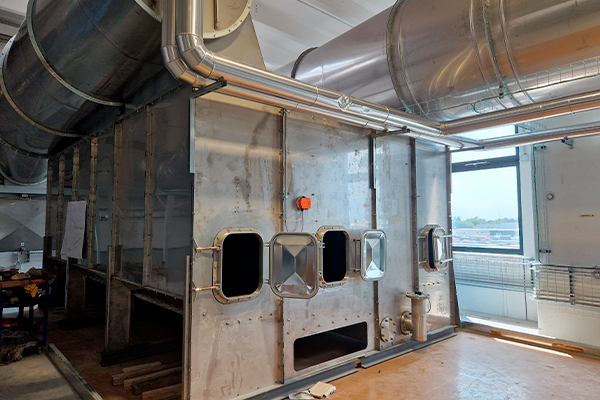
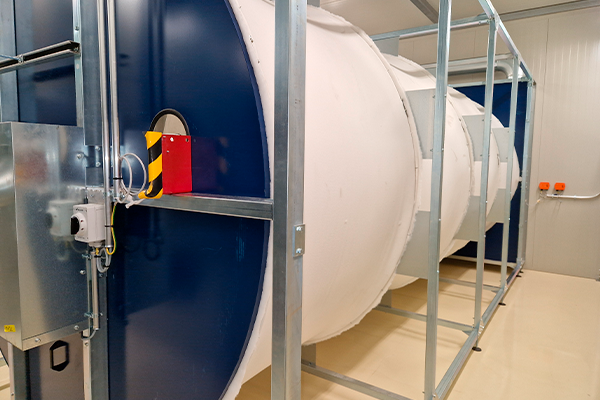
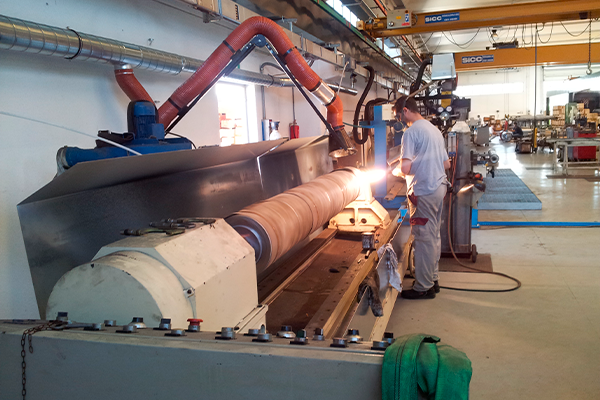
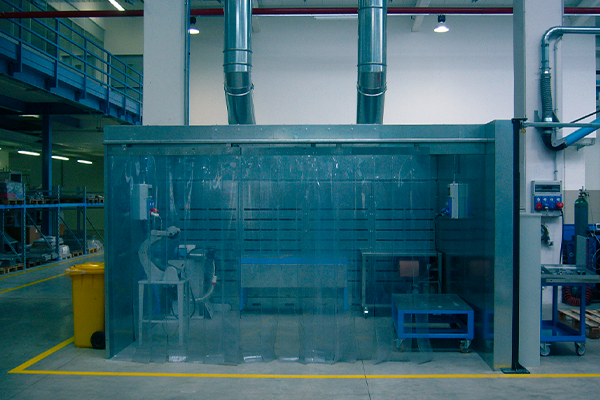
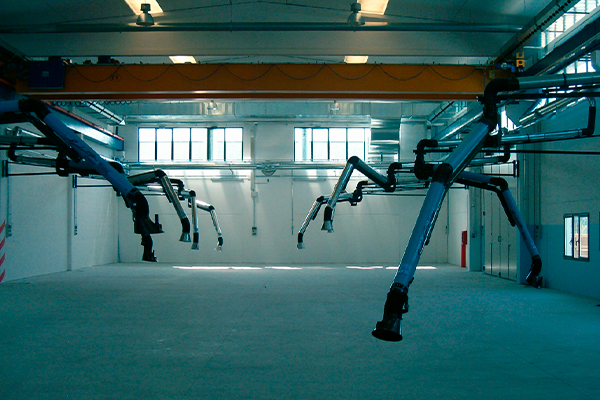
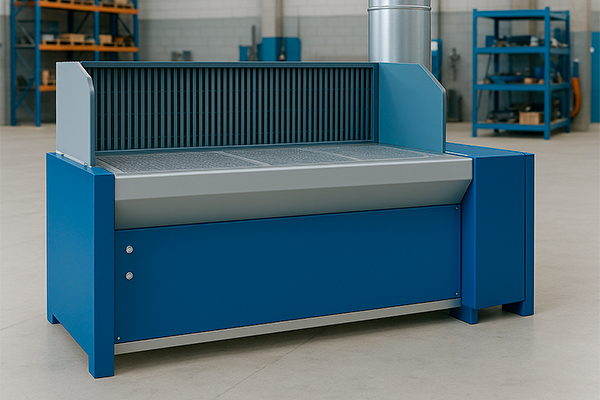
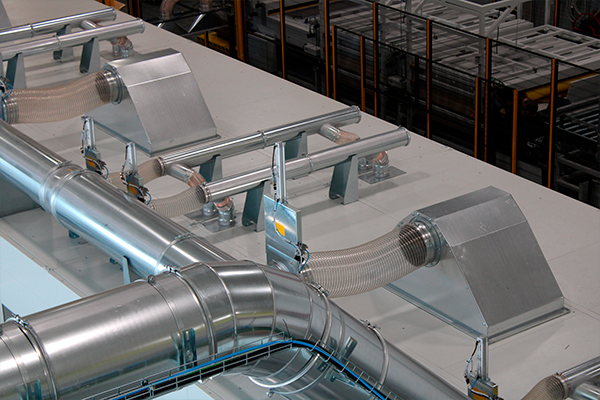
To prevent health risks for operators and avoid production downtime, Aeris develops dedicated systems for the separation and capture of dust and fibres, including disc prefilters, inertial separators, and fibre compactors, optimised for complex industrial applications.
Rely on Aeris to improve comfort and productivity in your industrial environment with our customized solutions.